18 Sep 2026
Navigating Funding Choices Amidst Live Interactions and Accumulating Prizes in Regulated Portable Gaming
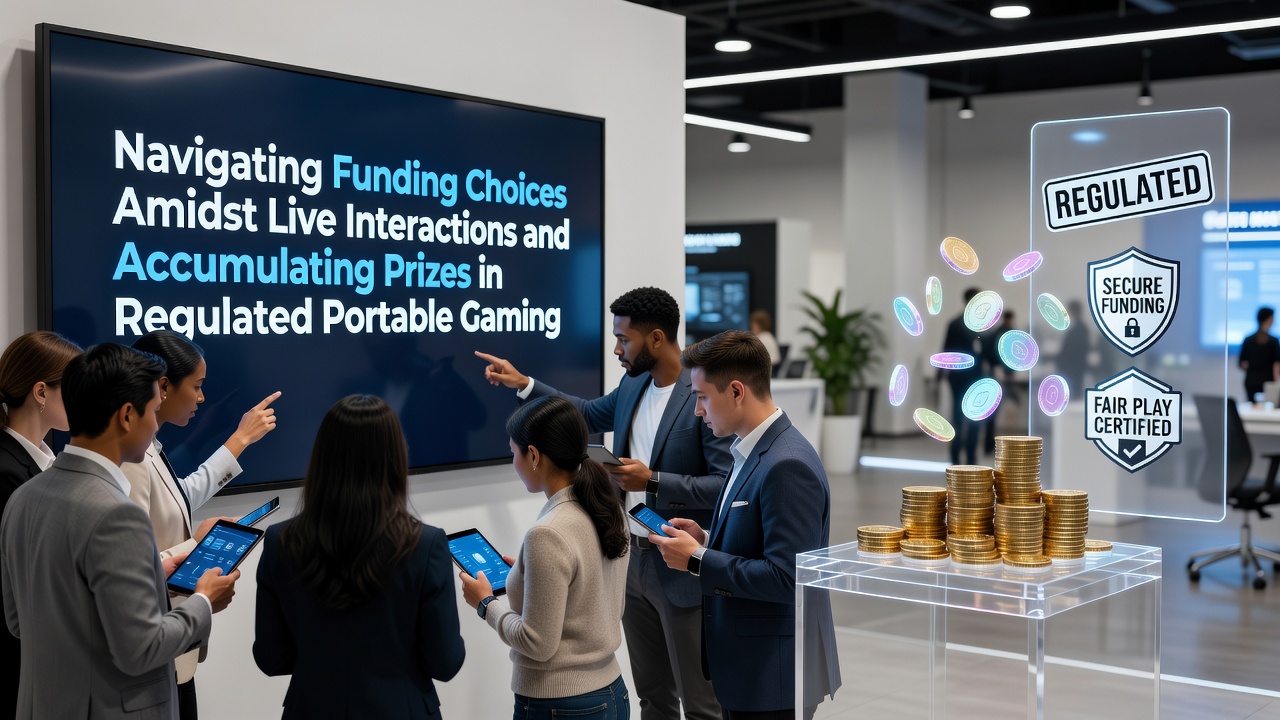
Regulated portable gaming platforms continue to integrate live dealer sessions alongside accumulating prize structures, which creates distinct requirements for funding mechanisms that comply with oversight standards across multiple jurisdictions. Operators must align payment processing with rules that govern real-time interactions and progressive reward pools, while players encounter options ranging from traditional bank transfers to digital wallets that support instant verification. Data from industry monitoring shows that transaction volumes in mobile environments featuring live elements increased steadily through 2025, driven by expanded access in controlled markets.
Core Elements of Regulated Mobile Gaming Environments
Portable gaming applications that combine live video streams with accumulating prize features operate under licensing frameworks established by regional authorities, including those in North America and parts of Europe outside the United Kingdom. These frameworks mandate secure authentication for every deposit and withdrawal, ensuring funds move through channels that prevent unauthorized access during sessions where participants engage directly with dealers or compete for shared jackpots. Observers note that the presence of live interactions heightens the need for low-latency payment confirmations, since delays can interrupt the flow of table games or prize accumulation cycles.
Funding selections in this space typically include credit and debit card processing through certified gateways, electronic wallet services that offer rapid settlement, and bank transfers routed via established financial institutions. Each method undergoes evaluation against regulatory benchmarks that address data encryption, identity verification, and transaction logging. Research indicates that platforms incorporating progressive prize elements often require additional safeguards, such as segregated accounts for prize contributions, to maintain transparency throughout the accumulation period.
Payment Method Availability and Compliance Requirements
Market participants report that credit card transactions remain prevalent in regulated portable gaming because they integrate with existing financial infrastructure while meeting standards for fraud detection and chargeback handling. Electronic wallets, by contrast, provide quicker access to funds during live sessions, allowing players to replenish balances without exiting the interface. Banking transfers serve users who prefer higher limits, though processing times vary depending on the jurisdiction and the specific operator's banking partnerships.

According to reports from the Alcohol and Gaming Commission of Ontario, operators in that province must document every funding transaction tied to games containing live components and accumulating rewards, creating audit trails that regulators review periodically. Similar documentation obligations appear in guidance issued by the New Jersey Division of Gaming Enforcement, which emphasizes verification procedures that align with accumulating prize distributions. These requirements influence which payment providers receive approval, narrowing choices to those that demonstrate consistent compliance with encryption protocols and real-time monitoring.
Regional Variations in Funding Regulations
North American jurisdictions continue to refine rules around digital payment acceptance in mobile environments, with updates scheduled for implementation phases beginning in September 2026 that address cross-border transaction handling for platforms offering live dealer options. European regulators outside the United Kingdom maintain separate standards that focus on consumer fund protection during prize pool contributions, requiring operators to isolate accumulating rewards from operational accounts. Industry organizations such as the American Gaming Association have published summaries of these evolving standards, highlighting how payment method approvals differ based on whether a game includes live interaction streams or relies solely on automated prize mechanics.
Academic studies examining transaction patterns in regulated mobile gaming reveal that users frequently alternate between multiple funding sources within a single session when live elements and progressive prizes are active. This behavior stems from varying deposit limits and processing speeds across providers, prompting operators to present clear comparisons at the point of selection. Data compiled by research teams at institutions tracking gaming economics shows measurable differences in adoption rates between card-based systems and wallet services, particularly in markets where accumulating prize totals update in real time.
Security Protocols and Transaction Monitoring
Security frameworks for funding activities in these environments incorporate multi-factor authentication and continuous monitoring systems that flag unusual patterns during live play. Regulators require operators to maintain records that link each transaction to specific game sessions, enabling verification that funds contributed to prize pools originate from approved sources. This linkage becomes especially relevant when progressive rewards reach substantial levels, as oversight bodies conduct periodic reviews to confirm adherence to accumulation and distribution rules.
Payment processors approved for use in regulated portable gaming undergo independent testing to confirm compatibility with live streaming technologies and prize tracking software. The process ensures that latency introduced by funding operations does not affect the integrity of real-time interactions or the accurate recording of contributions to shared prize pools. Figures released through industry channels demonstrate that platforms meeting these technical benchmarks experience higher retention of active users who participate across both live and prize-accumulation features.
Conclusion
Funding navigation in regulated portable gaming that features live interactions and accumulating prizes depends on compliance-driven payment options shaped by regional authorities and technical standards. Available methods continue to evolve in response to updated requirements, with documentation obligations and security measures forming the foundation for operator approvals. Observers tracking developments through September 2026 and beyond note that alignment between payment processing and game mechanics remains central to maintaining operational legitimacy across jurisdictions.